The 12 Days of Breeders is a series of interviews conducted with members of the Dog Breeder Society who are doing innovative, creative, and inspiring things in their dog breeding business. In each of these interviews we cover challenges each breeder has encountered, and how they’ve overcome those challenges to find success in their breeding program. Join me for all twelve of these interviews for inspiration, and countless actionable tips you can use to overcome (or avoid) challenges in your own dog breeding program! You can check out all of the interviews in this series here.
Megan Smith of Acadia Goldendoodles
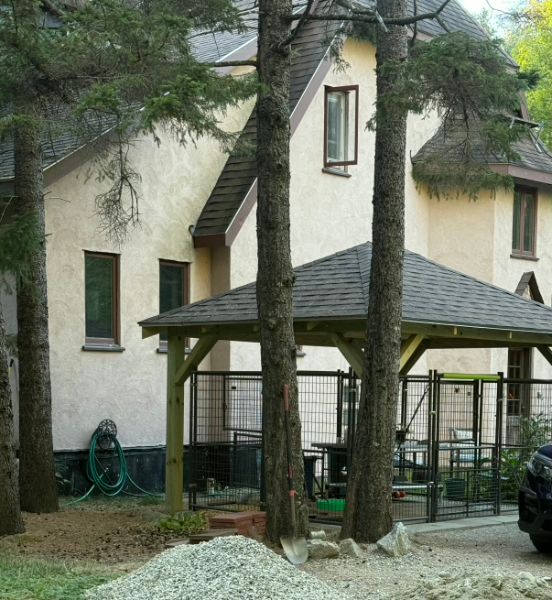
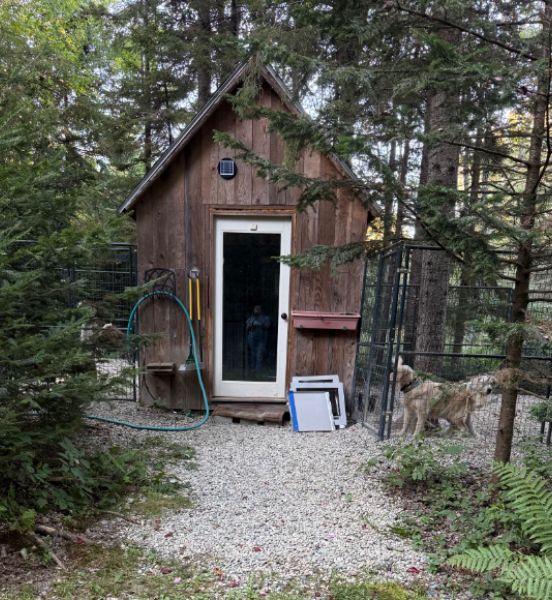
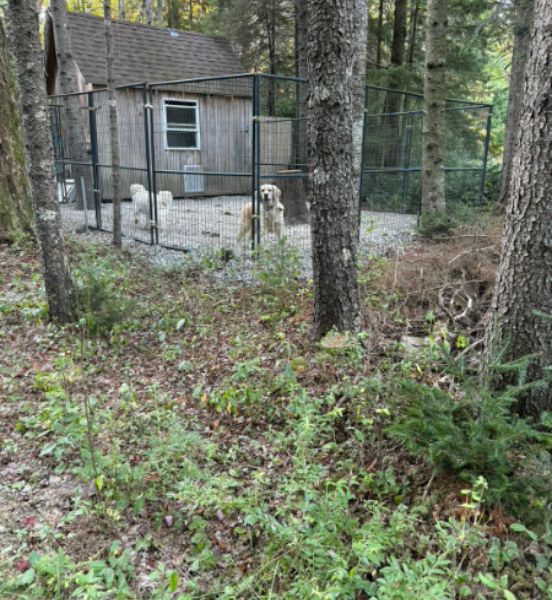
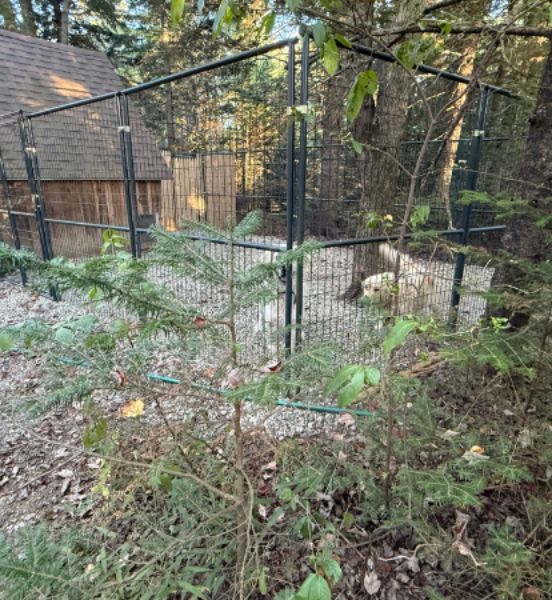
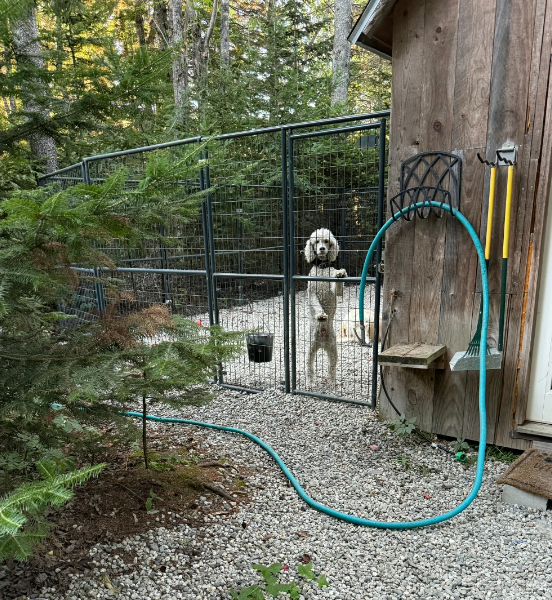
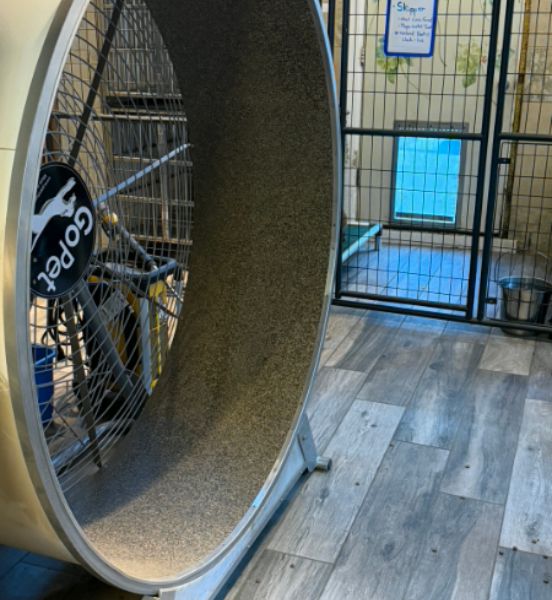
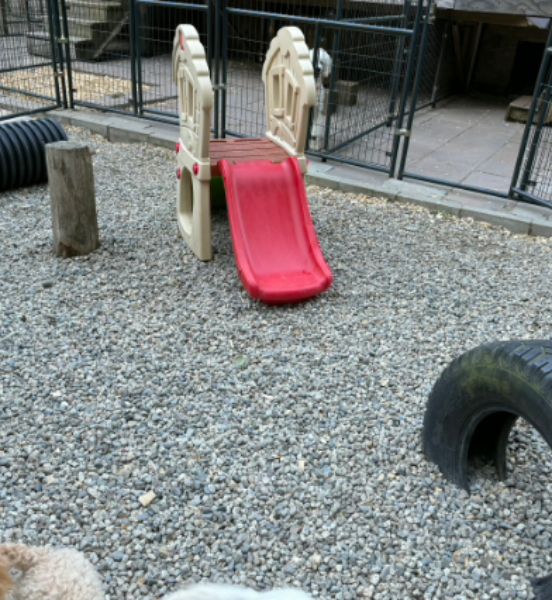
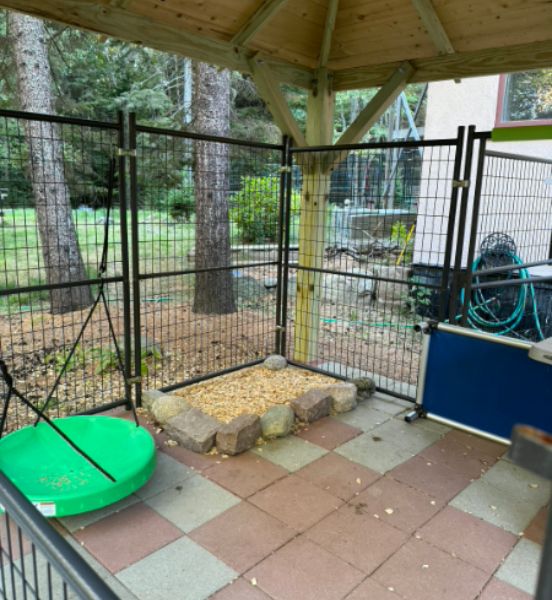
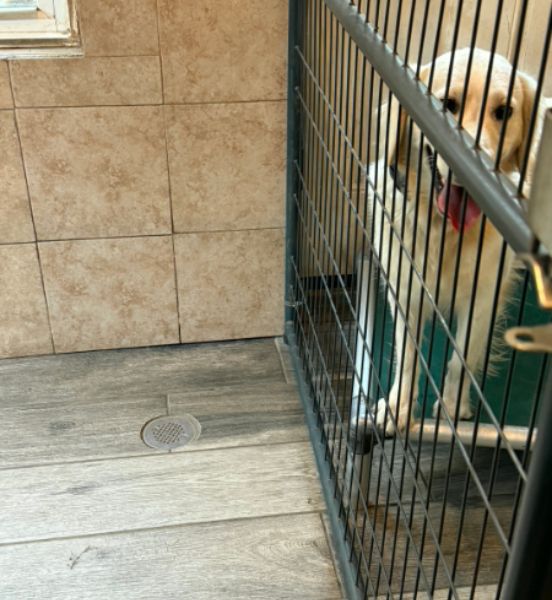
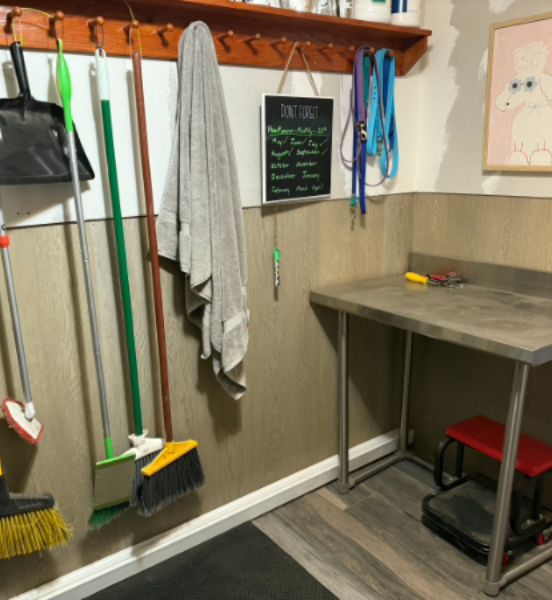
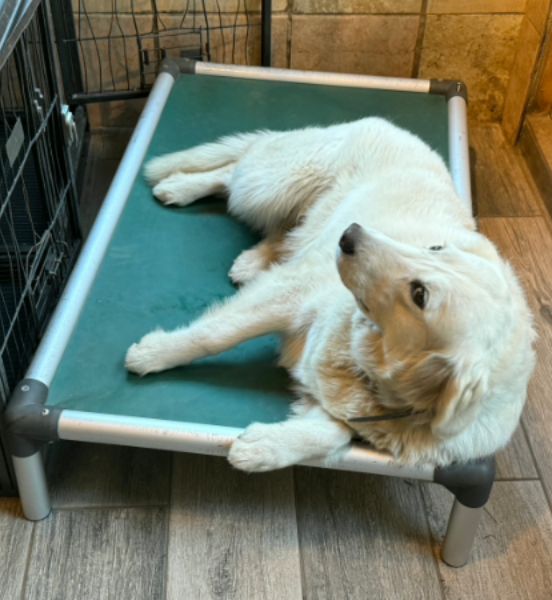
We sit down with Megan Smith of Acadia Goldendoodles in Maine, who proves that responsible breeding can—and should—be a joy. After 17 years in the game, Megan has cracked the code on sustainability and enjoyment. She takes us on a tour of her spectacular facility, which we’ve affectionately dubbed a “summer camp for dogs,” designed for maximum enrichment, wellbeing, and ease in managing around 20 breeding dogs at a time. Megan also explains her decision to focus exclusively on F1 and F1b generations of Goldendoodles, detailing the specific reasons and goals behind that choice. Through it all, she emphasizes the critical role of continuous education and improvement in maintaining an ethical program over nearly two decades. Whether you’re a new breeder or a veteran, you’ll gain creative insights into how Megan maintains her passion and makes breeding a rewarding, long-term career.
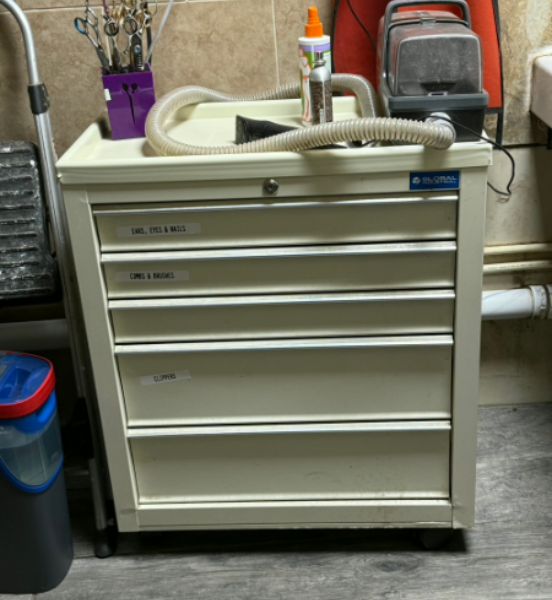
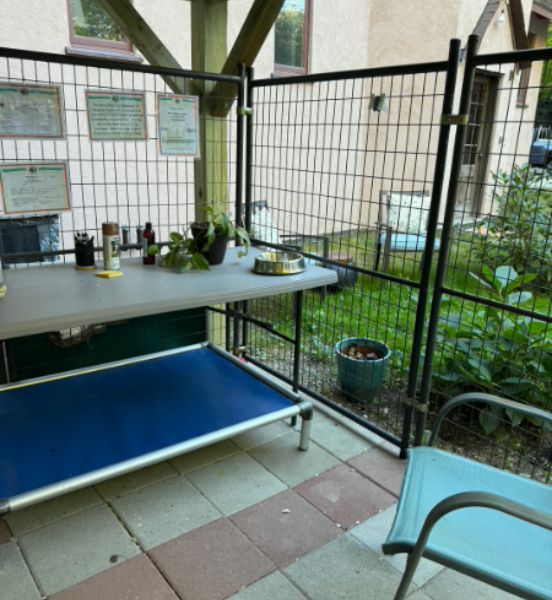
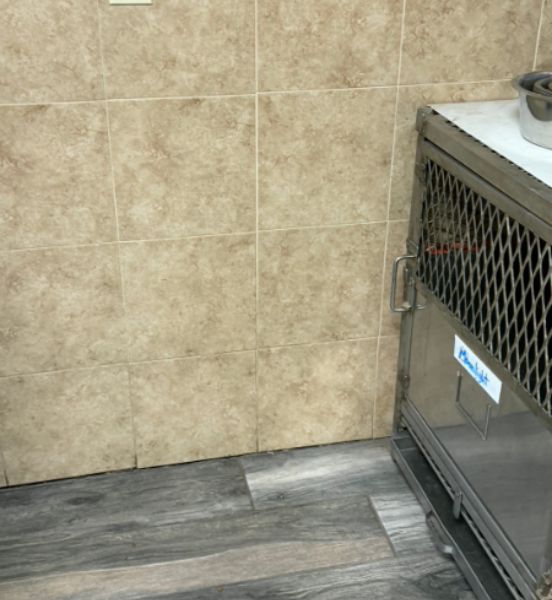
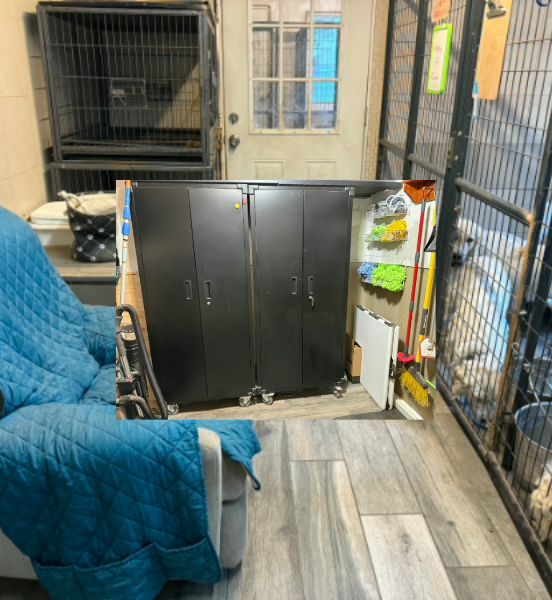
Megan's Facilities
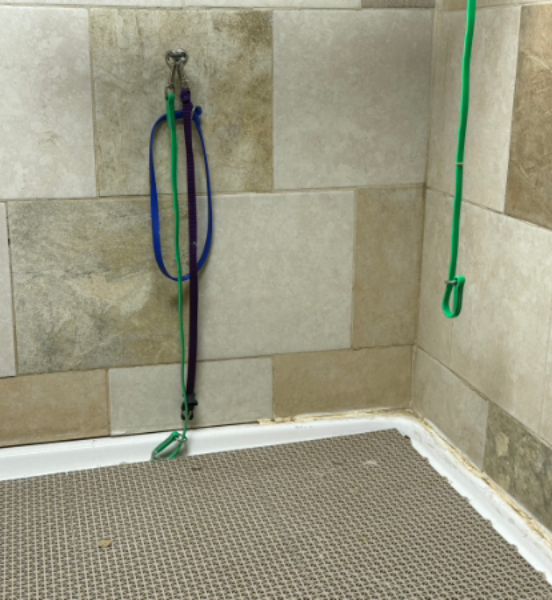
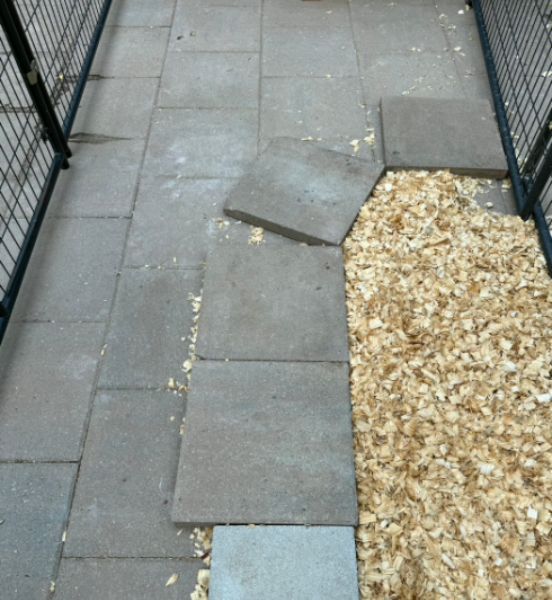
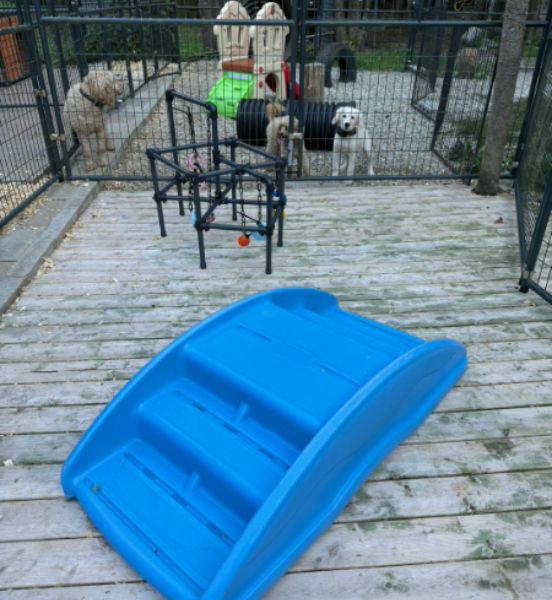
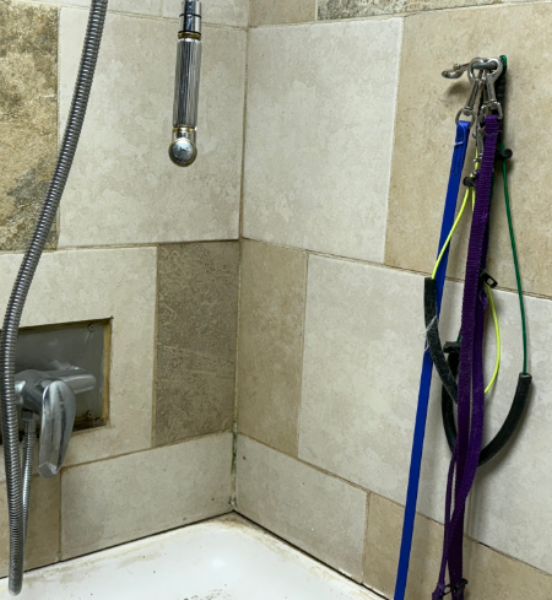
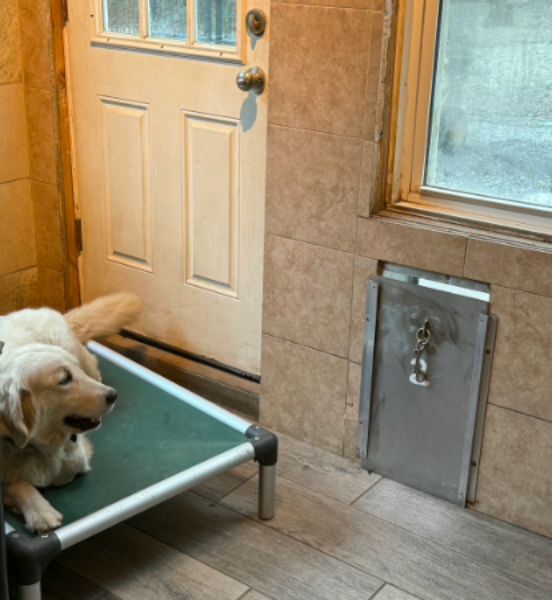
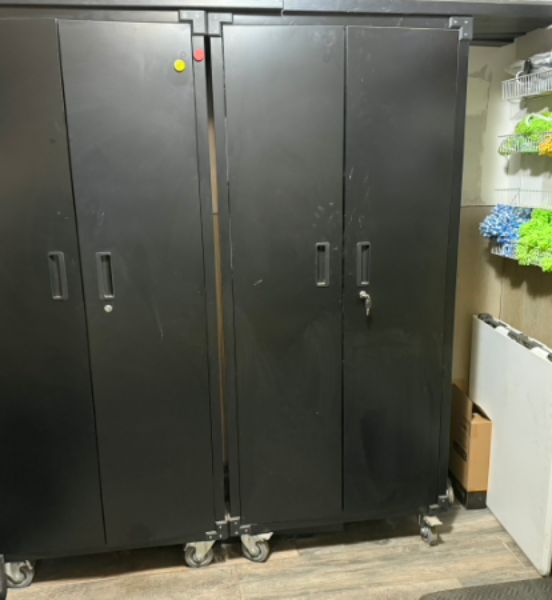
Transcript
Julie Swan | 0:00
Welcome to the Honest Dog Breeder podcast with me, your host Julie Swan. Where each week we dive in to discuss all things dog breeding so you can build a breeding business you love, producing dogs that fulfill their owners dreams. I believe you can have an honest dog breeding program that also pays the bills.
So throw those pods in your ears while you’re cleaning kennels. I’d love to join you. Welcome back to 12 Days of Breeders.
Today we have Megan Smith of Acadia Goldendoodles. And you are right outside Acadia National Park in Maine. Megan, thanks so much for coming on the show today.
Megan Smith | 0:37
Well, thanks for having me, Julie.
I’m a big fan of the podcast and your products.
Julie Swan | 0:42
Thanks. You’ve been so helpful in the development of the dewormer, but we’ll get into that later. So tell us, your story, very exciting. How did you get into breeding?
Megan Smith | 0:52
Well, I wanted to breed pretty much since I knew breeding was a thing.
I was a little kid and I realized, oh, people are making these puppies that you can buy. I wanted to do that. You know, I’ve always loved dogs.
So I guess I’d put myself at about eight years old back then. But I didn’t want to do it because of Bob Barker, and the spay neuter campaign, and all the unwanted pets in shelters. I felt like if I really loved dogs, I couldn’t do that.
So 30 years later, I finally took the plunge. I think things were getting better, but I also then understood, I had my own family. And then I understood that people need a good family dog.
And a lot of times you can get a rescue that’s a great family dog, but not always.
Julie Swan | 1:41
Right. It is unpredictable.
Megan Smith | 1:43
Yeah. And a lot of my customers now come to me, and they’ve always had rescue dogs.
And then they decide to get one from a breeder because they have little kids.
Julie Swan | 1:51
Yeah. I think that’s very common.
I always tell people, I don’t think my buyers would go to a shelter to get a dog if they couldn’t buy one from me. They just wouldn’t. Yeah, exactly.
Megan Smith | 2:00
Hopefully there’s room for both.
Julie Swan | 2:03
And you’ve been breeding for how long?
Megan Smith | 2:07
17 years. It doesn’t seem that long.
Julie Swan | 2:13
Flies by when you’re having fun right?
Megan Smith | 2:13
Yeah. And I had been teaching. I taught in the public high school for 28 years.
And I built my breeding program gradually as I was doing that. And I just found, here I was, a teacher with two kids. They were going to need to go to college, I had a big piece of property, which I love.
We’re on the coast of Maine here. It’s gorgeous, but the property taxes were going up, and trying to figure out how to do that. And also I wanted more dogs.
I wanted a great family dog. I had two rescues at that point.
My kids wanted a dog they could roll around on the floor with and cuddle.
Julie Swan | 2:51
Yeah.
And that wasn’t happening with your rescue dogs.
Megan Smith | 2:54
No.
Julie Swan | 2:56
No, it happens. Yeah.
You either have a story of you love your rescue dog or it was a nightmare. There’s rarely a middle ground.
Megan Smith | 3:03
We could handle them, and they were fun to go out on outdoor adventures with, but not so great at cuddling.
So then I just thought maybe I could figure out a way to get a great dog, and have that dog or the dogs contribute somehow financially, not just be a drain. And I thought I’ve always wanted to breed. Maybe I’ll try it.
So I got the best dog that I could get someone to sell me with breeding rights, and took it slowly to see if I would like it. And I did tons of research, just really studied for two years while I got her health testing done and got her trained and everything. And then the plunge. And I did like it. And I still like it after 17 years.
I think I told you this the other day, I’m just still so excited if I’m going to keep a puppy from a litter. I love choosing it. I love raising them.
And if I get a puppy from another breeder, I feel like a little kid, like I’m getting a new dog.
Julie Swan | 4:04
Yeah. I think that’s pretty impressive.
I know a lot of breeders, they breed for a while. And that idea, I mean, even me last year, the idea of keeping a dog back is exhausting. But what do you think makes the difference for you?
Megan Smith | 4:20
I don’t know. I have made a big priority after the first litter, when I made some mistakes, of taking care of myself. Like I do make sure I really have it set up so that I can get enough sleep.
Sure, sometimes I’m whelping a litter, or I have a dog that’s struggling, or a sick puppy or something and I get no sleep. But most of the time I really get seven to nine hours of solid sleep. I get exercise.
I go to the doctor, I go to the acupuncturist, I eat well, get a lot of exercise. Having good facilities helps too. I fortunately have a husband who will build things for me.
And then if it doesn’t work out that way, he’ll rebuild it.
Julie Swan | 5:02
Nice. Very nice.
When you prioritized yourself, were there certain decisions that you found yourself making, that made the difference? Because I know a lot of breeders are like, “oh yeah, I know I need to do that,” but it’s a struggle. But you made it happen.
So what’s different?
Megan Smith | 5:22
Well, I’ll tell you that first litter, I didn’t get much sleep. I was on edge.
I wanted to take the best care of them possible. They were inside. They had no way to get out.
They were waking me up early. I was staying up late. Plus I was teaching.
So everything that I was doing for them had to be done after school or before school.
Julie Swan | 5:40
Oh yeah.
Megan Smith | 5:41
So there wasn’t much time for sleep.
And I really didn’t connect this at first to the dogs and the puppies, but I was getting so depressed. I thought, I’ve got to go see a counselor. I have to go get on an antibiotic or get a vitamin B shot or whatever, I’m not handling life right now.
And the puppies went home. I got a good night’s sleep and I was fine.
I’m like, “oh, that wasn’t depression. That was sleep deprivation.” So from then on, I just really made sure sleep had to be a big priority.
And it is busy. I try to take care of myself, even while I’m doing a whelping, I take my laptop with me and watch a movie or something in between, so that I’m not panicking or bothering the mother, have some really good snacks or something good to eat. I just think it’s good to take care of yourself, because you’re giving so much to the dogs all the time and the puppies.
Julie Swan | 6:42
Yeah, no, it’s very true. I do find that there’s a guilt trip that goes with it when you say, “oh, I’m going to take a break” or “I’m going to close my door and be done with the dogs right now.” And I think it’s a lot like being a parent, you put the kid down for bed and you’re like, “all right, I’m going to go do mom things.”
But I found that when I was able to do that for myself, I became nicer. I was a better mom, and I was a better breeder. Because I got some sleep, like you said, or took a break.
Megan Smith | 7:14
And you need to do that with the customers too. I will get back to my customers, but not always just the second they text me. I also find if they are wound up about something, they’re probably going to be calmer in an hour or two than they are right now.
So I think it’s good for them to have a little time.
Julie Swan | 7:39
For them to decompress too. That’s a really good tip because it is true. I’ve noticed if you wait with people, they do calm down, usually even just an hour or two.
I don’t like to wait a couple of days. That’s kind of rude.
Megan Smith | 7:50
No, no, I don’t do that. But I’m not getting back to them within seconds, unless it’s just, “Oh, look at our puppy. He’s so cute. He’s doing great.” I’ll just be like, “Oh, that’s awesome.”
But if they’re struggling with something or, if it’s a 911 situation, I will text right back, get the puppy to the vet. But if it’s like “this little weird thing is happening.”
Julie Swan | 8:13
Yeah, exactly. I know it’s bad. Like I love, and it’s terrible.
I have read receipts on, on my phone. I just think it’s helpful for people to know I’ve seen it or not, but I love that feature on the home screen where you can read it before you actually open it.
Megan Smith | 8:28
Yes.
Julie Swan | 8:28
It helps me sort of play triage and be like, okay, that can wait a little while. Oh my gosh, this is urgent.
Megan Smith | 8:34
Yeah.
And I guess because of teaching, I came to that also. My school didn’t have good reception. So I would get out of school and that’s when I would get all my messages. Like when I’d get off campus, voicemails and texts and everything from the day.
So a lot of times there would be a frantic something, and then they’re fine later, by the time I get to them.
Julie Swan | 9:00
So you’ll have a text message and then they’ll have texted you six hours later, but they’re fine now. And because you didn’t get it the whole day, you realized it would deescalate itself.
That’s really interesting.
Megan Smith | 9:10
Yeah.
Julie Swan | 9:11
Yeah. You’re the second breeder I’ve talked to recently who had a situation where they were out of cell range and it worked out better. And I was like, oh, that’s kind of nice.
Megan Smith | 9:19
Also, if their dog has just died.
I mean, I talk to so many people who’ve just lost their dog and they’re so upset, but sometimes they call me when they’re feeling really upset. And then they’re not thinking about it when I call. So they’re happier.
Julie Swan | 9:34
Yeah. That makes sense too. Yeah. I think it is.
It’s definitely part of the business. Yeah. Because it’s the next step after you lose a dog.
Megan Smith | 9:40
Yeah. It’s hard, my husbands like, “I don’t know how you talk to people all day long, who’ve just lost their dog.” And I’m like, “yeah, it is sad.” And I know how sad that is from losing my own dogs.
But I’m here for it.
Julie Swan | 9:58
Yeah. Well, tell us a little bit about how you transitioned.
So you had the one female, and you were just tossing this idea around. It was like a dream come true that you’d always hoped for. And then the world shifted, and you didn’t feel that guilt from the adopt don’t shop pressure anymore.
Which was nice. It’s for our kids and I think there’s a mindset shift that happens when you become a mom that opens doors to things you didn’t think you could do before.
Megan Smith | 10:24
Yeah. And my children are helping. I had a very active eight-year old at the time.
And he was very helpful. As long as you could direct him, and tell him the next thing to do, and the next thing to do, he was super helpful and a good worker.
Julie Swan | 10:40
What would he do?
Megan Smith | 10:41
Oh, water the dogs, walk the dogs.
I gave him one to raise and train. Of course, the first thing he trained her to do was dig. Then he trained her to bark, and then he trained her to swim.
I’m like, oh good, a Golden Retriever who can dig, bark, and swim. But he spent a lot of time with her. And feeding, watering, cleaning all that stuff. Then later before he finally left home, after he was out of high school, he tiled my whole kennel for me, the walls and floors. So he got increasingly helpful.
Julie Swan | 11:17
Yes. And you guys, I’ll be putting some of the photos that Megan sent me in the show notes. You’ve got to see some of her facilities.
They’re just really nice. You do have tile everywhere.
Megan Smith | 11:26
And you can see in those that the title doesn’t match.
I think I try to get what I can. I get the highest quality that I can afford or get a good deal on. And then just try to keep improving.
Julie Swan | 11:36
Yeah. Well, I think the functionality is unparalleled, which makes a big difference. When I started doing puppies at Bill’s house instead of my own house, it changed the whole world, because there was a back room with tile floor and a doggy door.
I was like, “Oh, I can shut the door.” And this is great.
Megan Smith | 11:55
Yeah. And easy to clean. Oh, that’s another thing. That was a big step for me. Getting inspected. Becoming a licensed kennel.
Julie Swan | 12:07
And tell us, is that a requirement in Maine? Or how does that work?
Megan Smith | 12:07
It is. Yeah.
I was really kind of pushing the limits. In Maine, if you have one litter, you can just get a vendor license. So that you can advertise or sell your puppies legally.
And you have to get that for each litter. You say how many puppies you have.
Julie Swan | 12:20
Would that even be the case that in like an oops litter? Like somebody who had two intact dogs.
Megan Smith | 12:26
Yeah. I mean, they can just sell them to their friends and everything, but if they want to advertise in any kind of publication, they’re not going to let them unless they have that vendor license. And, you know, if your neighbor turns you in, you should have that. It’s free. They’ll give you a couple of free a year, then it starts to be $25, and so forth.
Yeah. Yeah. So I was kind of pushing on you really have more dogs than you should. The law is hard to interpret, because it seems like you have to have five breeding females, but that’s not really true. That’s for registering your dogs as a kennel, like in a group, but it seems like you don’t need a kennel license until then, but you do.
So the inspector was nice and firm. He looked like a police officer. He was scary kind of, but he did explain to me that I was really a bit over the limit, and I should have had my license already, but I did.
He inspected the place, told me all my surfaces had to be non-porous. So that’s kind of a shock if you’re using wooden things.
Julie Swan | 13:31
Well, even concrete is porous, and everybody has concrete in their kennels.
Megan Smith | 13:35
He just kept dropping water on things saying if water can get in there, disease can get in there. And so I sealed everything. He didn’t tell me what to do.
I think he didn’t know, because now when he comes, we’ve got tile and he really likes that. And on some things we have this vinyl plank that you use on the floors, and my husband puts it on walls. He’ll put plywood behind it and use that as a wall covering up to a certain height, like four feet.
It doesn’t have to go all the way to ceiling, just where the dogs are. So he’ll, the kennel inspector, will see something like that and say, now what is that? And he wants to know what it is so that he can tell other breeders.
So I think he wasn’t telling me because he didn’t really know.
Julie Swan | 14:21
That makes sense. It sounds like he was maybe new when you got him the first time.
Megan Smith | 14:25
Yeah. And I just keep my paperwork organized because I know what he’s going to ask me for. Like at the end of the year, I do my whole summary, how many litters, how many puppies, males, females, how many passed away, if any, and what was the cause.
Any dogs brought in from out of state. There’s all these questions he asks every time. So I know that, I keep that right there for him.
And that is nice. And then he goes and he like looks at and talks to each one of my dogs. He really cares about the dogs.
I’m impressed with that. And when he leaves, he always says, thank you for taking such good care of your dogs.
Julie Swan | 15:00
Well, that’s cool.
Did you apply for the license then? Is that why he came out the first time?
Megan Smith | 15:05
Yes.
Julie Swan | 15:05
Okay. And so the inspection was just part of it. Is it an annual inspection?
Megan Smith | 15:10
Yeah. Annual unannounced.
Julie Swan | 15:12
Fun, love that. So good.
Megan Smith | 15:15
Yeah. And then I had to get a resale license, for selling things, like a business license for the state so I can charge sales tax.
And that was really just a matter of applying. And I had to go to my municipality, my town. I’m in a mixed zone, but I had to have a permit to run a business here.
Julie Swan | 15:36
What is a mixed zone?
Megan Smith | 15:37
Mixed zone, mixed business and residential.
Julie Swan | 15:40
So some are commercial lots and some aren’t.
Megan Smith | 15:42
We can live here or we can have businesses or we can have the same thing going on.
We have two businesses on our property. So I have to also get inspected by my town for the kennel.
So I have just a business license. That’s always okay. And then the state guy comes and the town animal control officer comes to do an inspection too.
He usually likes to come after the state person has been there, because I don’t think he feels as confident with everything. And he just, he wants to see what the state guy said. And then he says the same thing.
Julie Swan | 16:16
He just kind of copies it over.
Megan Smith | 16:17
He’s also one of the main firefighters for our town. So he also likes to see that I have fire extinguishers and things around.
Julie Swan | 16:25
That’s funny. Yeah. I can see how that goes.
Megan Smith | 16:28
One of them likes the way I take care of my dogs and the other one likes my fire equipment.
Julie Swan | 16:33
As long as you know what they need and you have it ready.
So it’s pretty much been the same people over and over for you. And that’s kind of the beauty of the smaller town life, I suppose.
Megan Smith | 16:43
Yeah.
Julie Swan | 16:44
That’s good. Okay. So not too bad to manage and overall pretty easy.
Megan Smith | 16:50
Yeah. Yeah. I just try to keep building and getting better and keep the facilities going better.
Julie Swan | 16:58
Yeah. In Arizona, we don’t have tax on livestock, and dogs are considered livestock. That’s how the laws are in Arizona.
So it’s kind of a weird thing. But a lot of breeders do have sales tax for their dogs. I love how Arizona, they don’t have sales tax, you have a “transaction privilege,” the privilege to sell things. Yeah.
But that’s why used goods are also taxed. But for you with the sales tax, do your buyers give you any pushback, or have you rolled it into the price, or how do you manage that?
Megan Smith | 17:27
I just have it right on the invoice as a separate line, sales tax.
The people who give me pushback live in New Hampshire. They don’t have sales tax, so they don’t like to pay it. I’ve looked at this over and over again, because it seems to me like if they’re sitting there in New Hampshire and they’re having someone pick up their puppy for them and transport it, they never left New Hampshire.
Why should they have to pay sales tax? Right?
Julie Swan | 17:55
Yeah. Right.
Megan Smith | 17:55
But the sale is happening in Maine. So I do have to charge it.
I’ll give them a discount of a couple hundred dollars, which covers the sales tax. They still are paying sales tax, but they feel like they’re not.
Julie Swan | 18:12
I get that. I guess it makes sense.
What’s the percentage rate for sales tax there?
Megan Smith | 18:18
5.5%
Julie Swan | 18:20
So not terrible.
Megan Smith | 18:22
Yeah.
Julie Swan | 18:22
Yeah. Not terrible. Not like Texas and their crazy 10% or whatever.
Megan Smith | 18:26
Financially I did, you know, you have processing fees if you let people pay by credit card, sales tax, things like that. And I like to give people discounts.
So when I got sort of more professional and started adding these things on, I did just raise my prices. So now I don’t feel like these processing fees are so terrible. I send out a little helpful book to help people prepare for their puppies.
And I just feel like that’s why I raised my price up. Like all that stuff is covered, the snuggle animal, you know, heartbeat puppy thing.
Julie Swan | 19:04
Yeah. Snuggle puppy. Yeah.
Megan Smith | 19:05
Yeah. I’m not using that brand anymore. I don’t use a brand. I just have a stuffed animal with a heartbeat in it.
Julie Swan | 19:16
Oh, that’s cool.
Megan Smith | 19:17
The comfort animal, I sent it with the siblings and the mother. And so that’s a heartbeat and the scent item. But my price covers all that. So I don’t have to get stressed about every little thing.
Julie Swan | 19:29
I think that’s so smart.
And I think people just see the price and everything feels included. They feel like they got this great customer service, and they got a great experience, instead of the nickel and diming. I think that’s always better.
I throw in microchips because they need them. My dogs are idiots. They get out.
Megan Smith | 19:46
We do microchips too.
Julie Swan | 19:48
Yeah. It just makes it easier.
And for anybody out there, who’s struggling with the merchant service fees, a simple formula in your head, because most are around 3%. For every $3,000 you charge for your dog is a hundred dollars you need to raise your price.
And when you think about it, it’s just not that much. So if your dogs are $1,500, you need to add $50. Nobody’s going to be like, Oh my gosh, it’s $1,550, not $1,500. Not going to happen when people want it. But I think it feels scummy at the end, and you’re like, here’s the fee on top of it.
They’re like, “oh man.” Yeah. So I love that. I love how you just threw it all in there. That’s so good.
All right. You made a lot of breeding decisions you were telling me early, early on that really set you up for success. Can you go through some of the mindsets, some of the things that were decisions you made and how they went?
Megan Smith | 20:43
Yeah. So I think some of the things that have been most important to my program are all the research I did on dogs and puppy development. So I know there are a lot of commercially available programs right now, and I think those are all great.
I’ve bought a lot of them and incorporated them, but just basically learning about how puppies develop, and how to help them be the best dog that they can be. I’ve got it all mapped out on a Google spreadsheet for my employees. It took me so long to do that, but I was glad I finally learned how to use a spreadsheet, because I didn’t have to do that to teach English. But I put in their birthday in one slot and it populates the whole thing.
What day do they start their ENS? What day do I start adding soaked food? When do we put in the steps so they can go outside?
All that’s right there.
Julie Swan | 21:37
That’s pretty fancy.
Megan Smith | 21:38
Yeah. When do they start being introduced to toys? When do they go outside? All that’s on there, every deworming and everything.
Julie Swan | 21:46
Wow. That’s neat. And so when your people come in, they just look at that and say, “Oh, today, this is what we’re doing.”
Megan Smith | 21:51
And there’s a place for them to initial if they’ve done it. So I can see at the end of the day, if something didn’t get done.
Julie Swan | 21:56
Nice. And that’s all on a Google sheet?
Megan Smith | 22:00
A Google spreadsheet. I have a place for notes.
We don’t usually have a lot of notes, but once they start doing the training, like giving them treats, if one isn’t taking a treat or if one does super well at sitting or barrier challenge or something like that, they can make notes about individual puppies for me.
Julie Swan | 22:19
Wow. That’s so nice.
And you can check that in bed on your phone. That’s so nice.
Megan Smith | 22:23
I can, but I like to check it in person because it’s right by the puppies. And they’re so cute. So yeah, setting puppy development, keeping my eye on quality. I don’t want to be a snob because certainly, everybody’s got to start somewhere.
And like the fencing we started with is not nearly the fencing that we’re replacing it with. But when you have to fence in a big area, you’ve got to use what is cheapest and what you can use. And same with all of our facilities and everything.
Even I’m just always changing, even like my deworming protocol, like starting to use less chemicals. And I changed how I do the vaccines with my dogs. So being willing to change and improve.
Having a lot of relationships with other breeders, I was never afraid to cold call breeders. I guess that was from teaching too, from having to call so many parents, because I think when I was young, I was terrified to call people. But once you’ve called a hundred people to tell them their kid’s in trouble or their child is doing very well, it’s just easier.
So call a lot of breeders. Maybe a lot of them will be nasty, but some really like to talk and some will give you advice. I’ve had a lot of advice from people, especially going out of breeding, like people, 70, 80 years old.
Julie Swan | 23:45
Oh, you mean like people that are retiring from breeding.
Megan Smith | 23:48
Yeah. They’re getting out of it and they’re happy to talk about it.
And they have a lot of knowledge and a lot of those old home remedies.
Julie Swan | 23:57
Oh, that makes sense. Anything that you learned from them that you could share that just changed everything, or something that you did?
Megan Smith | 24:04
Well, one person told me about colloidal silver, which I had never heard of, and that was helpful.
Julie Swan | 24:10
And when were you using that?
Megan Smith | 24:11
I use that if they get a cut or something, I’ll put it on topically, I’ll give it to them orally. It’s kind of like an old fashioned antibiotic.
I mean, people who are prepping for emergencies often will have that also in case they can’t get antibiotics.
Julie Swan | 24:27
That makes sense. Yeah. It is made from electrolysis with silver. You put it through the water, and the silver particles go in the water, which is pretty cool. My friend had this set up, but I also thought it was funny. I heard that when they talk about rich kids were fed on a silver spoon or whatever that phrase is, it came from that, because the silver that they sucked on was good for their immune system.
Isn’t that funny?
Megan Smith | 24:54
They were using silver spoons because it was helpful, just like the iron in the cast iron pans.
Julie Swan | 25:01
Exactly. I’m still working on seasoning mine and it’s painful, but it’s good.
Megan Smith | 25:05
So another thing, this might be a little controversial. This old woman told me. I was just getting my own studs.
I had been using stud service and I was getting my own. And she said, honey, don’t train your studs. And I mean, she didn’t mean don’t train them, but don’t over-train them.
She said, you don’t want them to be push button, always looking at you for what to do. They have to follow their own instincts some. She’s like train them enough that they’re manageable, but let them be dogs.
You don’t want to train them like a service dog or something, because then they won’t go breed that female when it’s time.
Julie Swan | 25:40
That’s very interesting.
Megan Smith | 25:41
They need to keep some of that drive and some of that natural.
Yeah.
Julie Swan | 25:45
Yeah. That’s very interesting. Because one of the weird things I see in guardian homes sometimes, is the guardian stud is this cute little pet all the time, sleeping on the couch, super pampered. And then he comes here and he’s like, “what am I doing? What do you want me to do with this thing?”
Megan Smith | 26:02
Yeah. Yeah.
I did follow that, and it’s sort of hard, like especially my Poodle studs, they’re just obsessed with me and they want to be around me all the time. I do try to give them a little distance some of the time and let them be dogs.
Julie Swan | 26:15
Yeah. That’s pretty good. I know. And it’s harder because Poodles are so human focused.
Oh my God. Very much.
Megan Smith | 26:22
And then just having relationships with breeders, but also having a good relationship with vets is important. I try to have relationships with several vets, like the reproductive vet, a good hometown vet, any kind of specialists you might need.
Other businesses in town, even. I have a lot of businesses that as they see our reputation spreading, they love to brag that “the best breeder of Goldendoodles is here. We met these people that came from very far away to buy a puppy from Acadia,” they like to brag it up too. Because it seems like it makes the whole place seem better.
Julie Swan | 27:08
Yeah. Oh, that’s very cool. So those are other businesses talking to you up.
Megan Smith | 27:12
Yeah.
Julie Swan | 27:13
Oh, I love that.
Megan Smith | 27:13
And I see it on Facebook.
They’ll always recommend me. And yeah, it’s better than having them mad about the barking or something.
Julie Swan | 27:20
How did you get to that place where people were recommending, you?
Megan Smith | 27:26
I have not joined the chamber of commerce, but I’ve thought about it, and I maybe will. I’ve been on different boards around here, like a summer camp and the town committees and all that. But just kind of talking to people and cold calls again. Like I have two pet stores, the closest pet stores by that will give a 10% discount with the code Acadia 10.
If someone gets a puppy from me and they want to stay here locally, there’s a few places that will give them a discount to stay.
Julie Swan | 27:57
That’s nice. Do you see joining those organizations as more of a networking piece, or is it just something that you enjoy?
Megan Smith | 28:03
I think it’s networking, but I do think it’s hard to build relationships if you don’t want to interact with people.
Julie Swan | 28:13
Oh yeah, I can see that for sure.
Megan Smith | 28:15
One person who ended up breeding, she’s turned into a great friend of mine, so I don’t think she’d mind me mentioning this, but she was a guardian for another breeder. So that’s how I knew of her.
And I knew she had some fences because she had some dogs. Someone was trying to come and use one of my studs. He was coming from far away.
He had to wait for his kids to get out of school. He had to fit it between kids getting home and dinner. I had things going on that night.
So we’re really trying to get my stud and his female together within a narrow time, but he’s coming from one direction. So I just thought, well, there’s that guardian home of my friends halfway in between us. So I just call her up.
I’ve met her dog before because her daughter brought the dog over to breed one time, but I’ve never met her before in my life. I call her up. “Hey, can I have this person that you’ve never met?
And I’ve never met. Meet me at your yard with my stud and his female and do some breeding?”
“Oh, sure,” she says, because she wants to start breeding too. So she wants to watch the whole thing. So there we are.
First time I ever meet her. I’m coming with my stud to have a bitch bred in her yard.
Julie Swan | 29:24
That’s an interesting first meeting.
Megan Smith | 29:27
And then she did start breeding golden. So we’ve had a good association with that, and she’s come to work for me, and now she’s training. So she does board and trains. I can send my puppies to her.
Julie Swan | 29:38
Oh, that’s very nice. Yeah. Is that in high demand with your dogs?
Megan Smith | 29:42
Yes. My puppy buyers, if they’ve had dogs before, they’re usually much more chill about it. But they’re either getting a dog for the first time and they’re pretty nervous and they’ve done a lot of research and that’s how they found me.
Or they’ve had a lot of dogs over their life. This is their last dog and they want to do it right. So they’re very focused on getting the exact right dog, right blood lines from the right breeder and getting it trained.
Julie Swan | 30:09
Yeah, that makes sense. That makes sense. Can you tell us like a little bit about the evolution?
Well, tell us a little bit about your program. People don’t know, yes, your Goldendoodles, but you’re primarily F1s and F1Bs, right?
Megan Smith | 30:21
Yes. Most of my dogs are purebreds. So I either have purebred Poodles and purebred Goldens. I do keep some of the Goldendoodle females too, in case someone wants F1B.
I mean, I do get a lot of people who want F1B, and that is the half and half doodle bred back to a poodle. They’ll have usually less shedding. They have more of those Poodle characteristics. And for allergies, a lot of people like that. Or just they don’t want shedding.
They like more of the Poodle personality. There’s a lot of reasons.
Julie Swan | 30:54
Yeah. What do you notice with the F1Bs and personality?
Because I know Poodles are so one person focused and the Goldens seem like they love everybody.
Megan Smith | 31:03
Yeah. Yeah. I see a lot of variety really in the F1B.
Julie Swan | 31:08
Yeah.
Megan Smith | 31:09
I do think they’re smarter. And a little more, as you probably know, you work with two breeds.
Julie Swan | 31:18
One is considerably smarter than the other, but yeah.
Megan Smith | 31:22
Smarter dogs are great if you’re a great trainer, and they can be great if they want to do what you want them to do.
Megan Smith | 31:29
But if they don’t, it can be more problematic.
Julie Swan | 31:31
Yeah, I do find that Poodles test people more. They seem like they’re like the Arabian horses, they’re like, I’ll open that gate and walk right out. Thanks.
Megan Smith | 31:41
That’s what I think about my dogs. The Goldens are the Quarter horses, and the Poodles are the Arabians.
Julie Swan | 31:45
That’s exactly it. That makes sense. And then can you explain, because I know a lot of people do multigen Goldendoodles, what is your reasoning here? It doesn’t matter, but I’m just curious what was your process through it?
Megan Smith | 32:01
I really liked the idea of breeding together two dogs that are completely unrelated, beyond the pedigree, people call it hybrid vigor of breeding those two completely different unrelated dogs together, different breeds. I know because my husband studies genetics that it’s really not hybrid vigor.
Julie Swan | 32:27
Do you want to explain a little bit more? Because I think people really enjoy that.
Megan Smith | 32:29
Okay. Yeah. So as you’re breeding dogs together for a breed, there is some level of inbreeding.
You can see that in the COIs, the coefficient of inbreeding, of a population just gets higher the more closely related they are, and more they’re bred to dogs that are somehow related to them. Even if you don’t know it, it’s not on the pedigree, they’re related. That causes a depression in fitness of the group.
So that’s called inbreeding depression. And then it’s not like, “oh, there’s one dog that’s really inbred and it’s got a problem.” It’s just an overall lower fitness.
So lower fitness means higher susceptibility to some of those genetic disorders, or just not as healthy or vigorous.
Julie Swan | 33:13
And is that because they have the two alleles and they’re the same. And so whatever that allele is susceptible to, they don’t have anything to counter it. Is that kind of the idea?
Megan Smith | 33:22
Yes. I think so. That’s why we see certain diseases running in one breed or another, you know, every breed’s got their issues. I believe that’s why, I’m not a geneticist, but this is what I’ve read. This is what I understand from what I read.
So I just think you could break out of that lower level of fitness by breeding two unrelated dogs.
Julie Swan | 33:48
That makes sense. That gives you that genetic diversity you love.
Megan Smith | 33:51
I think so. Yeah. I like that.
The thing with doodles and mixes, is they can still get all the problems of either breed or both breeds. You could look at it the other way too, but I do think they’re healthier and happier. And I love the personality mix and the consistency of the F1.
There’s just things that you can count on about the F1. Then to get to multigen someday, you’re going to have to breed two doodles together, like two F1s and you’re going to have to have that F2 generation. And I really don’t want to do that because of F2 breakdown.
So that’s when, I guess you see it in Cocker Spaniels. You get a bunch of puppies. Some look like Poodles, some look like Cocker Spaniels, and the same thing happens with the F2s. And what I really don’t like, I mean, I don’t want to hurt anyone’s feelings because some people love this and this might be someone’s ideal dog, but it’s not mine, which would be a dog with a Poodle body and Golden Retriever coat.
So it’s thin and long legged, but it has a really straight, smooth coat. If that’s your favorite dog, great. That’s not what I like.
I like the stockier build. I’d rather have the Golden Retriever body and the Poodle coat if I had to choose.
Julie Swan | 35:12
It’s interesting. And so what you like is actually, I would say that Goldendoodle multigens are moving away from that look is what you’re saying.
Megan Smith | 35:19
They are moving away from that look. But it’s just to get there. I just, I would have to go through some steps to get to the multigens that I don’t want to go through.
Julie Swan | 35:27
Yeah, that makes sense. Well, with the F2s, you always get the dog that got double Golden Retriever coat, right?
Megan Smith | 35:32
So I don’t want to do that. But I do see a lot of benefits to the multigens. I belong to the Goldendoodle association. So I know a lot of breeders who do multigens and I think they’re great. And they, especially now that genetics is where it is, they can really narrow in on certain colors, coat types, size.
I have a hard time predicting the size of my dogs. I can tell you based on past litters, what I think they’re going to be, but for any one dog, you don’t really know. And with those multigens, they really can, they can be looking at the genetics and breeding dogs together that have the genes for the smaller, or the coat pattern, or the coat color, or the coat type.
What I love that people are doing is a non-shedding coat, a nice fluffy, non-shedding doodle coat that also is straight, like fluffy, but straight, not curly. So it’s not as matty and it’s got that shaggy kind of cool look. It doesn’t look too curly, like a poodle, you know?
Julie Swan | 36:39
Yeah. No, that makes sense. That makes sense.
But your buyers love what they’re breeding, right?
Megan Smith | 36:43
Yeah. Other people are breeding for really curly coats and that’s good too, or really big dogs.
Julie Swan | 36:50
I do think it’s so interesting, because we have Poodles and Poodles can be standard or they can be toy and everything in the middle. And there’s just so much variety. And then when you pair that, and Goldens, they do range a fair amount in size too.
I mean, you’ll probably have some 40 pound ones, but you could have a hundred pound ones too. Yeah.
Megan Smith | 37:09
Mine don’t get that big. I use more of the English lines, the European lines. And so they’re a little shorter and stouter and just not as big overall.
Julie Swan | 37:19
That’s nice. Yeah.
Megan Smith | 37:21
I like a big American lumbering Golden Retriever.
Julie Swan | 37:26
Nothing wrong with that.
Megan Smith | 37:28
So anyway, it’s not, I’ve got nothing against multigens and I can see in the future, I might maybe buy, if I could buy some good multigens, especially smaller to breed together. I might do that, but I just haven’t.
I mostly breed a certain color range cream through red and a certain type, the F1s and the F1Bs. And so people have found me because that’s, what’s on my website, and that’s what’s on all my testimonials.
So most of the people coming to me aren’t looking for a black multigen, because if they were, they wouldn’t see that on my website. I wouldn’t be attractive to them.
Julie Swan | 38:00
That makes sense. So it actually has worked out in your marketing. What people are looking for is what you have, and that’s how you’re kind of geared, which makes sense.
I think that’s so important to differentiate yourself within a breed. And what’s nice about Goldendoodles is there’s a lot of variety to differentiate within.
Megan Smith | 38:16
Yeah. Those other ones are great, but that’s just not what I have going on.
Julie Swan | 38:20
Yeah, no, it’s totally good. Do you end up breeding for yourself, like a poodle to keep your Poodle lines or your Goldens? Do you do that?
Megan Smith | 38:28
I do that mostly with Goldens. I try to bring in outside males, and then I breed that male and keep puppies for a few years until most of my females are his daughters. And then I get a new male.
Right now I’m looking for a new male, but I know what I want and it’s not born yet. It’s not even bred yet. I’m working with another breeder to breed the new stud that I want.
And I have done one litter of Poodles, but it was during that time when the market was really in a slump. Not only hard to sell dogs, but it was hard for me to sell those Poodles because people aren’t thinking of me with Poodles.
Julie Swan | 39:10
That’s the rub when it’s like the switch of breeds. Exactly. Yeah.
Megan Smith | 39:15
Golden Retrievers I can sell, because I just put pictures of them up and people tell their friends.
Julie Swan | 39:21
And then it’s good, yeah. It is interesting, because people who buy a Goldendoodle tend to want a version of a Golden Retriever, but rarely do they get a Goldendoodle because they want a version of a Poodle.
Megan Smith | 39:35
Exactly.
Julie Swan | 39:36
It’s just a weird.
Megan Smith | 39:38
People who want a version of a Poodle can just get a Poodle.
Julie Swan | 39:40
Yeah, exactly. Yeah.
Megan Smith | 39:43
Yeah, it is. That is true. I have talked to a lot of people about what they want.
And one day I came to the conclusion that the perfect dog for all these people who call me, not everybody, but is a 20 pound Golden Retriever that doesn’t shed. They want a Golden Retriever like they had when they were kids, but they want it to be about this big and they don’t want hair all over their house.
Julie Swan | 40:03
Yep. Yep. They remember the tumbles down the hallway.
Yeah. All the hair. Oh yeah.
Megan Smith | 40:09
But I can’t get there yet.
Julie Swan | 40:13
It’s all good. I know it’s got to be work.
Do you use toy Poodle studs at all?
Megan Smith | 40:19
Yeah, I have just started. I have, he’s not toy. My newest poodle stud is half mini and half toy.
His mom’s a mini, his dad’s a toy, but he’s nine pounds, so he’s pretty small.
Julie Swan | 40:29
He’s little. Yeah.
Megan Smith | 40:31
He has to live in the house. There’s a couple of dogs he can live with and he always helps me raise a new puppy because they’ll be about the same size. Yeah.
Julie Swan | 40:40
Yeah. My Rat Terrier stud’s pretty handy with my little GSP pups. So there’s that. Oh man, that’s great.
Megan Smith | 40:47
But he hasn’t done any natural ties yet. It’s all been artificial with him.
Julie Swan | 40:52
That makes sense. Yeah. That’s a lot. That’s a lot to figure out.
Megan Smith | 40:55
Yeah. Yeah. Yeah.
Julie Swan | 40:57
Big woman who’s intimidating, I imagine for him.
All right. Tell us a little bit about, can you give us a little bit more about how you set up your facilities? Because you really did a nice job, and I know you have this mindset, which is. I always talk about the good, better, best model, which is like, we start with something and then when we can improve it, when we realize we need something more or better, or whatever the money finally comes in.
So can you tell us a little bit about how that all went down? Because you guys should see these pictures. It’s like she has a camp, like a summer camp for dogs is basically what it looks like to me when I’m looking at these pictures.
Megan Smith | 41:31
So we took about, it’s about an acre right out in back of our house. So it’s attached to the house. The dogs from the house could get out, and the dogs from the kennel, which is also attached to the house can get out there.
And we fenced it in with one big fence. My husband built it with wood, and then we lined it with welded wire off a roll. And that’s divided into four sections, so that we can keep dogs separate, but they can see each other and run around in the woods and all that.
It’s nice.
Julie Swan | 42:00
That’s nice.
Megan Smith | 42:01
Over the years we discovered, we did have one little accidental pregnancy. Luckily it was two dogs. It was okay for them both to breed.
They were health tested, it’s just that we weren’t expecting it. Digging under the fence. So now every time we put down a new fence, we have fencing on the ground that goes about two to three feet on either side of the fence.
The fence goes on top of that and then dirt goes on top.
Julie Swan | 42:27
So you actually take a roll of fencing, you lay it onto the ground so that they can dig through. That makes sense.
Megan Smith | 42:32
Yeah. My husband calls it anti-dig and so, they dig and then they’re just still fenced in. They’re always digging at the edge of the fence trying to go under there.
They just get to a fence and then we keep filling in the holes, constantly. We also, having females coming into heat near each other can get a little tense, especially when they’re all coming in together. Having the males around each other, if they can see each other during, sometimes they’re great friends, other times not so much.
So we decided to build a little, we call them canine cabins. It really could be a cabin for people if we wanted to have a campground or something instead. They’re about the right size for that, but we have to go on a little walk.
Like I walk down one trail, take a turn, walk down another trail. So they’re in the woods. And I gave them fancy little names as if it were a campground.
One’s Riverside because it’s by a creek. And it holds four dogs. So two dogs go on one side and two dogs go on the other.
It’s split inside in the middle. So the dogs can’t see each other, and they each go out to the outside of the building. So they’re together inside, outside, they have separate yards where they also can’t see or get to each other.
If they share a fence, it’s doubled. Like there’s a fence on each side and some barrier in between like wood or something. So they can’t see each other out there either.
Julie Swan | 44:02
Okay.
Megan Smith | 44:03
We have two of those little buildings. The other one is called Lakeview, because it’s down by our pond.
Two of those, so I can have four studs all separate. I’m sure they know each other is there, but they can’t see each other, get aggravated with each other. Each can have a female in with it.
Now, sometimes I don’t have them all there. And sometimes they’ll be up with the other dogs or something, depending on who everybody is getting along with. And I might have two females down there. It’s just nice to have a little separation.
Julie Swan | 44:42
So they have their own house, basically.
It’s nice. They’ve got an indoor area. They’ve got an outdoor area.
In my head, when you first described this to me, I pictured the campfire and the little chair, and I’m like, Oh yeah, it’s a perfect little campsite.
Megan Smith | 44:54
I sent you pictures and you can see the doors don’t match, the door is a full glass door. So it gives a lot of light. It’s very nice, but it was off the side of the road.
It was a roadside pickup.
Julie Swan | 45:04
That’s like all the rage these days, like finding it and whatever they call it.
Megan Smith | 45:15
Salvaged, salvaged materials, repurposed. Yeah. So I keep their food down there. I have hoses three seasons.
It freezes here pretty well in the winter. So in the winter I haul the water. We either haul water out there that’s warm.
Or take the buckets in and change them. And we have a little propane heater for each one for the winter. I don’t keep it too warm though. Because then the dogs don’t like it.
Julie Swan | 45:37
Yeah. Isn’t it funny how what we would want is too much. You know, “no, no, no. I’ll just go outside.”
So how cold does it get where you are?
Megan Smith | 45:46
I would say it’s very frequently in the 20 degree range. It does get down below zero. I’ve had it down like 10 below.
Julie Swan | 45:57
Wow.
Megan Smith | 45:57
Just doesn’t stay there that long. It’s in the teens and twenties usually.
Some days it gets up to 40 sometimes, even on a cold winter day, but depends on how sunny it is.
Julie Swan | 46:08
Yeah. That makes sense.
Megan Smith | 46:09
It gets down like, in the teens or the 10 degrees, even if I have the heaters in there, I usually bring the dogs up to the house.
Because I just don’t want the heater to go out in the middle of the night or something and I don’t know about it. They’re too far away. They probably would survive, but I just, we bring them up, put them in crates for the night or double everybody up or something.
Julie Swan | 46:38
Yeah. That makes a lot of sense.
Megan Smith | 46:40
Yeah.
Julie Swan | 46:40
That’s really good. So you mostly use propane heaters to keep them warm down there. What about your other stuff? Do you have to heat that or is it warm?
Megan Smith | 46:47
Yeah, we do a lot. We have 35 acres here and there’s a lot of blow down. My husband just chainsaws it up and we have a wood.
Julie Swan | 46:56
What is blow down?
Megan Smith | 46:58
Blow down, when the trees blow down. The trees blow over in the storms.
Julie Swan | 47:01
Oh, like the whole tree has fallen.
Megan Smith | 47:04
Yeah.
Julie Swan | 47:05
Okay. I’ve never heard that term.
Megan Smith | 47:07
We’re in the woods, so yeah, he goes out there with a chainsaw, and chainsaws it up, splits it on the wood splitter.
And that’s what he says wood, it warms you three times. It warms you when you cut it. It warms you when you split it, and it warms you when you burn it. Yeah.
So we have a big wood stove in our garage and it’s got a furnace on top of it that blows hot air into the kennel and into his wood shop in our garage.
Julie Swan | 47:34
Oh, that’s so nice.
Megan Smith | 47:35
Keep it warm that way. And it comes into my office too, but I also have a space heater in my office because I get a little chilly.
Julie Swan | 47:41
I get that. Yeah, I know. I have the mini split here, and I just set it however I want it when my husband’s at work.
Megan Smith | 47:47
Yeah. I could probably make good use of about four or five mini splits.
Julie Swan | 47:52
Yeah. They’re fun.
Megan Smith | 47:54
But electricity is super expensive in Maine.
Julie Swan | 47:57
Is it?
Megan Smith | 47:57
Yeah. We’re working on getting a big solar array.
Julie Swan | 48:02
Oh, that’s nice.
Megan Smith | 48:04
Generator power goes out a lot here too. Yeah. It’s rural living.
Julie Swan | 48:07
Yeah. Right. No, I get it. I mean, solar panels are all the rage in Arizona, but yeah. Yeah.
Being so rural, I know that you said you’d tried guardian homes in the past, but it maybe wasn’t the best experience. Could you share a little bit about how that went and what your take is on it now?
Megan Smith | 48:24
Yeah, I didn’t love it. I did it before I had so many facilities built here. And let’s see the first one I did, I sort of got guilted into it, because I was keeping a female back, but this family really wanted a dog so badly.
And I felt bad. I didn’t have one to sell them. I talked to them about being a guardian.
They loved that idea. So I thought, oh, great. I’m going to have this good relationship with this family and a great place for the dog.
All the good things about guardian homes that you have in your dream, your fantasy of a guardian home. Yeah.
She stole my dog.
Julie Swan | 49:05
Straight up, just took her.
Megan Smith | 49:06
She ghosted me completely. I couldn’t find out where she was. Luckily I did know who her father was. And I called him a little while later and he didn’t know this whole situation.
It was her and her mother that had made these deals, signed the guardian contract and everything with me.
Julie Swan | 49:23
Wow.
Megan Smith | 49:24
Yeah. I did get ahold of her through finding out where she worked from her father. And then she was very upset.
She didn’t want the dog bred because she was afraid of the problems that could happen in a pregnancy or a birth. So that’s understandable. Don’t buy a dog on a guardian contract if you don’t want it bred.
Julie Swan | 49:44
Right.
Megan Smith | 49:45
So anyway, her boyfriend gave me some extra financial compensation and asked me to leave them alone. And I thought, really, I don’t want to fight it.
The dog has a good home. I don’t know if she would have passed all her health testing and been a great mother or not. It was kind of at that point when you just have a few dogs, you’re putting so much hope and dreams into each dog that was hard at the time.
But now, ok fine, if you one doesn’t pass the health testing. It’s just so rough when you only have a few. Yeah, that makes sense. It was a hard pill to swallow.
It turned me off of guardian homes. I tried another time. They were great.
They really understood the contract. Let me take the dog for all the health testing, everything. We had a great relationship, and that dog would not breed with any of my males.
I got her all health tested. She was like, “no, thank you. I am a pet.”
Julie Swan | 50:49
Wow.
Megan Smith | 50:49
I took her even to a reproductive specialist to see if there’s something wrong internally, like why won’t she let anyone penetrate her?
Julie Swan | 50:56
Yeah.
Megan Smith | 50:56
They did a digital exam and she said, nope it’s not physical, it’s psychological. This dog doesn’t want to breed. She did not want to be examined.
They had to sedate her to do the digital exam. She would not allow anything penetrate her.
Julie Swan | 51:10
Huh.
Megan Smith | 51:11
So now I keep my dogs out in my yard. They practice all the time with each other. All the females are always mounting each other.
And they’re ready when the time comes.
Julie Swan | 51:21
Yeah, I do think that advice that breeder gave you that sometimes you got to let them be a little bit of a dog. It does make sense. Yeah.
I also find too, a lot of breeders, we feel this drive to put dogs in guardian homes to give them pet life, but a lot of times they’d be only dogs over there. And while that sounds great, because they get attention, I think in a lot of ways, they think they’re humans. They don’t know that they’re dogs.
And I think dogs do really well with each other. And I always like to put them in pens with each other. So they have that kind of relationship.
I don’t want to be their only emotional support. Yeah.
Megan Smith | 51:58
Yeah. Well, it probably depends on the breed. I bet there are some breeds that don’t like dogs as much, but mine do.
They love being out there with each other. You know, a stick is only so good if you have it yourself. But a stick is awesome if three other dogs want it and are chasing you around for it.
Julie Swan | 52:15
Very true. I just put one of those swings in my puppy pen this past weekend. Oh my gosh, that was entertainment for hours. I just watched them like it was a TV.
Megan Smith | 52:25
Yeah. We have a bunch of tires built into the ground, and some platforms and things like that for them to just jump up on and under, and things like that when they’re out there. And they love to dig holes. And so that’s fun to them too.
Julie Swan | 52:37
They do. Yeah. That’s perfect. Okay. So you didn’t do guardians, but you have a pretty sizable program.
How many dogs do you have in your program?
Megan Smith | 52:47
I would say it’s always between 20 and 30. And I’m licensed for 25 breeding age dogs.
So when I register every year, I can keep track of how many are breeding age. Because if they’re under a year and a half and not health tested yet, I’m registering them as pets.
And there’s no limit on that I guess in my town.
Julie Swan | 53:11
With 35 acres. No, probably not.
Megan Smith | 53:12
Yeah. And then once they’re retired and I’m getting ready to place them somewhere, or if I’m just keeping them, then they’re registered as pets.
So I’ve never gotten to my 25 limit. It’s always been about 20 that I’m registering as breeding age dogs.
Julie Swan | 53:27
That makes sense.
Megan Smith | 53:27
Yeah.
Julie Swan | 53:29
Okay. So by yourself, this would be a lot. And guardian homes were not your favorite. So you ended up, you ultimately hired people.
I mean, your son probably had to leave. He sounded like he was quite the help. Yeah.
Megan Smith | 53:45
His father was a little frustrated with him because he would work short days. If you get done what you need to do. I’m okay if you leave.
Julie Swan | 53:53
But your husband’s in construction, right?
Megan Smith | 53:56
Yeah.
Julie Swan | 53:57
Yeah. That’s like Bill. Bill’s like, what do you mean you’re not out there to finish the job?
Megan Smith | 54:03
Yeah.
Julie Swan | 54:04
Yeah. Well, you know, we were tired. We came home. Yeah.
Megan Smith | 54:07
Right. So, yeah. So I hire help and I’ve been able to get some really good help.
I can do it. And sometimes I have to. But I have to get up in the morning and pretty much work all day, taking a few breaks until way past dark to get everything done that I think needs to be done. And so that’s just too much for me.
Julie Swan | 54:31
And that’s everything from puppy management to feeding and watering and cleaning.
Megan Smith | 54:38
Scooping things out, changing water, and then whatever the puppies need that day, puppy programming and all that. Yeah.
Julie Swan | 54:42
Yeah. That makes sense.
Megan Smith | 54:43
They need attention. They get a mat behind their ear. They need their nails trimmed.
Julie Swan | 54:48
Yep, exactly.
Megan Smith | 54:50
They need to go for a walk. I forgot to say that when we were talking about keeping yourself healthy, but I take my dogs on walks.
That’s exercise for me too.
Julie Swan | 54:57
Oh, okay. Do you just pick a different one every day?
Megan Smith | 55:00
Yeah. Or sometimes I take more than one. I don’t take six anymore. Because I took six one time, I got knocked over and broke my ankle. One to four.
Julie Swan | 55:12
Yeah. I don’t even think my feet would touch the ground if my GSPs were pulling me.
So yeah.
Megan Smith | 55:18
So yeah, the help I’ve been able to get, we have a nearby college, so I’ve been able to get college students down.
Julie Swan | 55:24
This seems to be the secret weapon is college students, but keep going.
Megan Smith | 55:27
Yeah. Very good. I have a little girl.
She’s a friend of mine’s daughter and she started coming over here when she was four years old and they would always be with her. And then when she was like six, they started just leaving her here with me. And now she’s 15.
Soon she’s going to be driving. She gets right off the school bus a couple of days a week and comes and feeds everyone their afternoon meal. And she’s a great dog groomer.
She’s got two of my retired Poodles.
Julie Swan | 55:54
Wow.
Megan Smith | 55:55
Awesome.
That has been very good. I could tell she was the girl for the job when she was four, because she had on these crazy little cowboy boots and she had long hair down to her butt. She’s running around in the puppies.
They’re all hanging off of her hair and her boots. And she’s just laughing. Like she couldn’t have been happier to have puppies biting her hair and climbing in her boots.
Julie Swan | 56:17
Awesome. Oh, that’s so awesome.
Megan Smith | 56:18
Yeah. And then my vet sold his practice and there was a transition period. So a couple of the people there who worked there, now work for me part time. I just try to find people where I can get them.
Julie Swan | 56:37
So when the vet retired and they were looking for a different gig, you were available.
That’s so nice.
Megan Smith | 56:43
Yeah. And so now I have people who can draw blood and take temperatures and listen with the stethoscope and all that.
Julie Swan | 56:49
Wow.
Megan Smith | 56:49
I should be having them do the stool samples, shouldn’t I.
Julie Swan | 56:53
Yeah. You should add that in. I really need somebody to teach me how to use the microscope for that stuff.
I’m so interested in it.
Megan Smith | 57:00
You have a microscope?
Julie Swan | 57:02
I do, but I’ve never successfully seen what I’m trying to see.
Megan Smith | 57:05
Yeah. I got a digital one recently and it’s so much better.
Julie Swan | 57:08
Tell me more.
Megan Smith | 57:10
It has a little screen about the size of my phone or a little bigger, that’s what I’m looking at instead of sticking my eye.
Julie Swan | 57:17
That’s so good. Because my eye gets so mad at them. Yeah.
Megan Smith | 57:20
It’s a game changer.
Julie Swan | 57:21
It is. Okay. So you’re using that. That’s cool. What did they cost you? You’ll have to send me the link. Okay. Yeah.
Megan Smith | 57:28
I looked around for a long time, but it wasn’t noticeably more expensive than I thought. Yeah.
Julie Swan | 57:34
I think you can get a decent microscope somewhere like $200 to $400. Does that sound right in there?
Megan Smith | 57:39
Yeah. I’ll find it and send you the link.
Julie Swan | 57:40
Yeah, we’ll put it in the show notes.
Megan Smith | 57:43
Very handy. Yeah.
Julie Swan | 57:45
Do you do your own fecals?
Megan Smith | 57:47
I do. Especially now, because so many of the vets now are sending them out.
So when I could take it to the vet and they could let me know in 15 minutes or half an hour what it was, fine. But if I have to wait two days, if there’s something wrong, I should have been treating for those two days.
Julie Swan | 58:04
Exactly.
Megan Smith | 58:05
It gets a little tight when it’s getting to be time for puppies to go home. You want to get them clear of everything.
Julie Swan | 58:10
Oh, I, I agree with you. Yeah. Do you use that solution where you take the fecal sample, and then you put the solution in there, shake it up and it separates everything.
Megan Smith | 58:21
Yeah. And there are special little capsule things you can get that have a little filter in them for doing that.
Julie Swan | 58:28
Oh, okay. What does the filter do?
Megan Smith | 58:30
I think it just keeps a lot of the fecal material out of it, and helps certain stuff rise.
Julie Swan | 58:36
Oh, it helps like the eggs or something rise?
Megan Smith | 58:38
It helps the settling process. And then you’re just taking the slide on the top of it.
Julie Swan | 58:42
That’s very cool.
Megan Smith | 58:46
I’m not an expert. I just took an online class on parasites and it taught me how to do that.
Julie Swan | 58:50
What do you see usually, what kind of stuff? I mean, if you had it, what could you see in the process?
Megan Smith | 58:57
I could see coccidia, I could see giardia.
Julie Swan | 59:02
Those are very high magnification compared to regular worms and stuff.
Megan Smith | 59:09
Yeah. And I could see like hookworm or roundworm or eggs, those kinds of things.
Julie Swan | 59:17
Oh, that’s super handy.
Megan Smith | 59:18
I’ve seen roundworm and coccidia and giardia, the other things I haven’t seen, but I could see them. Another thing I do, is I do an informal sperm semen analysis. I’ve gone to the reproductive vet and seen what she does. I think she has a program where AI or something counts it, I think, or if she’s got some tech counting it, because she wasn’t doing any counting, but she came up with a whole report, but she let me look through.
So I could see about how many, about how dense it should be with the sperm, and how much they should be moving around, and what they should look like.
Julie Swan | 1:00:00
That’s so smart.
Megan Smith | 1:00:03
Make sure there’s swimmers in there.
Julie Swan | 1:00:05
No, it’s good.
It’s so nice to be able to rule that out too. Yeah. Because so many times we have fertility problems and we’re thinking the female’s got a problem, but it’s the stud.
Megan Smith | 1:00:13
The progesterone testing, I have to go so far. I have to drive an hour and a half to get my dog a progesterone test. And you have to do that like every other day.
Julie Swan | 1:00:26
Yeah. That’s not going to work too well.
Megan Smith | 1:00:28
No.
So what I do, if I’m going to do AI and I want to do testing ahead of time, I am looking for the, what’s it called? Vaginal cytology. So I’m doing a swab inside the vaginal canal and then I’m looking for cornification.
So you dye it with blue and then the cells just, they’re sort of round and amoeba looking. And then they start to cornify. I think it’s called, I’m not sure I’m saying that right.
Because I’ve been reading it, but they look sharp and angular.
Julie Swan | 1:01:03
So it goes from being round to sharp and angular.
Megan Smith | 1:01:06
Yes. And they group together more, and they look like more square triangle kind of things. And that’s when ovulation is going to happen.
Julie Swan | 1:01:15
And is that the hormones changing the shape of everything?
Is that it? That’s very interesting.
Megan Smith | 1:01:21
One way to time the breeding.
Yeah. I did that years ago.
I hadn’t done it for years. I’m just going, oh, I’m an experienced breeder. We’ll start on day seven or nine.
But then I just thought, if I’m doing AI, I’m bothering to do the collection, and to do the insertion and all that. I might as well do this step ahead of time to make sure I’m getting it on the right days. So I’ve gone back to it.
They did a recent webinar on it that reminded me about it on Revival Animal Health. And so I just started it up again with my new digital microscope.
Julie Swan | 1:01:58
I love it though.
I think it’s so helpful. I know you’ve been helpful with the dewormer for me, testing some things out and helping with that. So that’s huge.
Megan Smith | 1:02:11
Just with that herbal dewormer, you can just see the difference in the poop too, without having to look in a microscope, just looking at it.
Julie Swan | 1:02:21
Yeah. Oh my gosh.
I know. The other day I had the combination. I haven’t had this in a while, but we’ve had such a rainy season. And I had one puppy.
He was always like a slow starter and I gave him that Neopar. So his immune system dipped a little bit and then the Giardia kicked in. So I treated that with the MOOM. And then I noticed that it cleared up in a day, except now it just looked like coccidia.
So I was like, Oh great. It was a combination. So then I was using the herbal dewormer, but it’s coming together.
Megan Smith | 1:02:56
So anyway, I’ll have to get my people from the vet’s office on the microscope duty.
Julie Swan | 1:03:05
Yeah. That’s so smart.
Yeah. Get them that job for sure.
Megan Smith | 1:03:10
It’s so handy to have those helpful people. One of the college students I hired started grooming my dogs. I just said, “could you wash this dog? It has to go to the vet.” She washed it. It looked like it had come back from a groomers.
I’m like, “did you also groom the dog?” “Do you know how to groom dogs?” And she’s got all embarrassed.
And she’s like, “well, I just watched an inordinate amount of dog grooming videos when I was in middle school.” Like, Oh, okay.
Julie Swan | 1:03:40
You got the jackpot of helpers over there.
Megan Smith | 1:03:42
You can keep doing that. Yeah. She trims the feet, the nails does the inside of the ears does a whole, like she does conditioning, dematting.
It’s great. They look fantastic when she’s done with them. And she told me one day, “Oh, my dad just gave me all of his professional photography equipment from when he used to be a photographer.”
So now she does my photos. Yeah. I normally have hired professional photographers for my website.
And so now she does that while she’s working here. So it’s just her normal hourly wage and she’ll take them home and edit them. And she can edit out leashes and change lighting and all that.
She’s great with the editing too, which she learned just for this work. So that was nice.
Julie Swan | 1:04:26
That’s really cool.
Megan Smith | 1:04:27
Yeah. And then I pay her an amount per dog. Like I would pay professional photographer.
Julie Swan | 1:04:31
Oh, that’s nice. That’s like a hybrid model. Do you basically just pay everybody on an hourly wage?
Is that the easiest thing to do?
Megan Smith | 1:04:37
Yeah. Yeah.
I do like the idea of like a per job pay, but I’ve just got everyone on hourly payroll and I deduct it, I formed an S-Corp.
Julie Swan | 1:04:53
Oh, good. Nice.
Nice. Yeah. That’s my favorite business structure for sure.
Megan Smith | 1:05:00
I wanted to be able to pay myself and my husband too.
Julie Swan | 1:05:02
Yeah. That’s so smart.
And that’s pretty simple. Do you use any software to facilitate that?
Megan Smith | 1:05:07
I do. I have a payroll service.
Julie Swan | 1:05:09
Oh, perfect. That’s super easy.
Megan Smith | 1:05:10
When I became an S-Corp, my lawyer recommended me some people like bookkeepers and payroll service and all that.
Julie Swan | 1:05:19
Yeah. It’s handy.
Megan Smith | 1:05:21
It is. I think I would really struggle with it myself. I know a lot of business people just do it on QuickBooks.
And my father was an accounting teacher. So you would think I would know some of that stuff, but I’ve tried so much to learn accounting and bookkeeping. I really struggle with it.
Julie Swan | 1:05:40
It is annoying. It’s a different way of thinking. I just use square payroll.
It’s been so easy to set everything up, that’s just been my experience, but I love it.
Megan Smith | 1:05:50
It’s expensive having all those taxes taken out and then the part that you have to contribute as an employer and all that. It’s a lot.
Julie Swan | 1:05:55
Oh yeah. And it’s a lot to calculate on your own. I think that’s why I love that service, because it does it all for you.
Megan Smith | 1:06:01
Yeah. Right. We had a new thing come up in Maine.
The paid medical leave act, and you have to take something else out for that. But my payroll system just like knew about it and started doing it.
Julie Swan | 1:06:13
That’s so nice.
Yeah. I think it is. It just makes compliance with everything so much easier, you’re so busy doing other things.
We might as well just give that to someone else.
Megan Smith | 1:06:23
Yeah. Who else have I had for good employees?
Yeah. Mostly college students, high school students and people from vet’s offices.
That’s who I’ve been lucky enough to get.
Julie Swan | 1:06:34
Super lucky. Yeah. Oh.
And photographer daughters who happened to binge watch grooming videos.
Megan Smith | 1:06:37
Oh yeah.
Julie Swan | 1:06:38
Other than that. I love that. That’s so good. Oh man.
And so, with them, is it essentially a good work ethic? Because the one thing that sucks on hourly wages is people, they worry that people will make the job take longer. Right.
How do you work with that?
Megan Smith | 1:06:58
I don’t know what I would do if I had that problem, I guess I would have to talk with the person. I did teach and I was a special ed teacher for a long time.
So I feel pretty comfortable helping to correct behavior, but I have not had to yet.
Julie Swan | 1:07:12
So there must be something that you’re doing just in presenting the work. Do you kind of give an expectation of what should be done in a certain amount of time?
Megan Smith | 1:07:21
No, what I have found is the people usually want to get out of here. Like they get here early. I have busy mothers who are eager to get everything done before their kid gets out of school.
They want to get it all done. I think those checklists help actually, because you don’t want to be leaving a lot of stuff undone on the checklist when that’s your job. And then we do have a one list up that says, remember, and it’s like, do the floors, empty the garbage, fold the laundry, empty the dishwasher, that kind of stuff, just in case people forget.
Julie Swan | 1:07:53
Yeah, no, that makes sense. So you have, is it about four people working with you right now?
Megan Smith | 1:07:58
Yeah.
Let’s see, I’ve got one young woman that comes in on weekends, and I have two people that alternate on the weekdays. So that’s three plus my high school helper.
Julie Swan | 1:08:11
Yeah, that’s really good.
Megan Smith | 1:08:12
Yeah, it is. They don’t stay long though. If I really had a long list of jobs that needed to be done, I think it might be hard.
I’d have to get a little pushy. Like I really need this done before you leave today. The younger one who doesn’t have kids has a horse.
So she’s in here on the weekend, but that’s also her horse time. So she wants to get out. She’ll get here early enough to let the dogs out and feed them.
But she wants to be out of here by noon so she can go ride.
Julie Swan | 1:08:43
Yeah. Oh, yeah, I understand that.
Megan Smith | 1:08:46
Yeah, it’s great that they have busy lives and they want to get to them. So I’m not paying them for eight hours. They’re just coming here and getting the most important stuff done and leaving.
But that’s got its drawbacks too, because their kids get sick and they can’t come in, or they have a game or something like that.
Julie Swan | 1:09:06
Yeah, that makes sense. I always find it’s how I’d rather have two part-time people than one full-time person just because there’s always a backup.
Megan Smith | 1:09:13
Absolutely. Yeah. And sometimes I will hire an extra person when I don’t really need them just to keep them around and maybe have one person just come in and wash dogs one day or something.
Julie Swan | 1:09:23
Well, that makes sense. Yeah. Well, that’s good.
All right. So then you are selling a fair amount of dogs per year, because with employees and staff, I mean, you’ve got some costs. Oh, and dog food, dog food’s never cheap.
So tell us a little bit about your marketing. How are you making that work? Because that’s got to be really important.
Megan Smith | 1:09:51
Yeah. In the beginning I used a lot of social media and I had great results with that. Now there’s just, God, I don’t know how people are doing it.
It is so hard to get any kind of attention. There’s just so much out there. It’s hard to get people’s attention and keep it.
I’ve taken a class on filming dogs. I’ve taken a class on viral videos. I’m always trying to learn that stuff and keep up, but I’m 60, I’m probably not going to be skydiving or jumping out of trees or hanging upside down.
People are doing all kinds of things to get attention on social media. So I just try to flood my accounts with real cute puppies, and then once in a while pictures of the adults or something that we’re doing. But I have to say I’ve had best results lately with website.
I just really try to keep my website up to date. I do a blog, I know it’s not really a regular blog, but anytime I think of something that people want more information on, I do a blog post about it. And then I link to that in my website.
They can find that information if they want it. It’s hard. You got to keep things simple so that it’s not too complicated for people to read at a glance, but then have backup information for them if they want it.
Julie Swan | 1:11:07
Yeah. I agree with you. Yeah.
It’s that balance. I always feel like you build the FAQs and that gives them the short and sweet what they need to know. And then the blog posts, if they want to learn more.
Megan Smith | 1:11:18
Yeah. Yeah. And people can get a lot from an infographic, and feel like they really understand it. An infographic or something with pictures and, just a short bit of information, but then it is nice for them to have somewhere to go if they want more information.
Julie Swan | 1:11:32
Yeah. I always think it’s a balance. Because we nerd out on the science sometimes, but not all of our buyers do, like, “okay, I don’t need to know every detail about this.”
Megan Smith | 1:11:39
Yeah. Yeah. But I just had a text this morning from a guy, he’s a cancer researcher and he’s a geneticist, and he was like, “I really appreciate your understanding and the way you work with the genetics.”
Julie Swan | 1:11:53
Wow. That’s really cool.
Megan Smith | 1:11:56
He’s going to come from California to Maine to get a puppy.
Julie Swan | 1:11:59
Really?
Megan Smith | 1:12:00
Yeah.
Julie Swan | 1:12:01
That’s cool.
Megan Smith | 1:12:02
People are looking for certain things. And so it’s good to have that there if they want it, but not to be overwhelming everybody with that.
Julie Swan | 1:12:08
Yeah. That makes a lot of sense.
Megan Smith | 1:12:10
In the beginning, I made a lot of mistakes I would say with my website, and people still liked it, but I always thought it was like redecorating. I’m going to, I don’t know, like it’s spring, let’s do lavender background on it.
And I guess that was good. Because it kept updating my website, which is good for search engine optimization. And I thought, it’s all new people anyway, looking at it. But it’s not, some people are looking at the website for two or three years before they finally buy a dog.
So now I have a trustworthy blue, a little to the green side of blue, almost teal, but not quite.
Julie Swan | 1:12:48
Yeah.
Megan Smith | 1:12:50
And I just keep that and change out the photographs and the pictures.
And I have a logo, which I like, but it’s not a logo that’s easily stitched. Like if I want it on clothing or something, I need to have it printed because it’s very complicated with a lot of colors and everything.
Julie Swan | 1:13:11
Oh, I gotcha. You’re looking for maybe a more line art.
Megan Smith | 1:13:14
Yeah. I may do a line art version at some point.
Because it’s nice to have clothing and swag.
Julie Swan | 1:13:23
It is fun. Or even something that you can engrave on a notebook or something.
Yeah.
Megan Smith | 1:13:28
Yeah. But I like the logo for the most part.
It’s got a little bit of Acadia National Park in it and a Goldendoodle.
Julie Swan | 1:13:36
It’s such a unique location. Yeah.
Megan Smith | 1:13:40
Yeah. And I try to put that logo on everything. I mean, it might seem a little overdone even like the bag, the paper bag, I’m also really focused on trying to not have plastic.
So to be environmentally conscious, they take home their puppy stuff in a paper bag, but it’s got a sticker of my logo. Then they pull out their paper folder.
It’s got a sticker of the logo, all the pages in there, like the medical record and the description of our program, the puppy socialization checklist, everything I have in the folder has our logo on it.
Julie Swan | 1:14:12
Yeah. I think the branded stuff makes it feel more professional and it’s more of an experience.
And then I love it because people, they remember everything, I don’t want them to be like, “Oh, I got this dog down in Sierra Vista, Arizona.” Like I want them to be like, “I got it from Bear Paw Ranch,” have them remember.
Megan Smith | 1:14:31
And then I think they feel a little more connected to you too. Like they’re part of the family.
Julie Swan | 1:14:37
Yeah, I think so.
Megan Smith | 1:14:38
I don’t do a lot.
I really want to start working on this. Like I said, I’m always trying to improve. I want to do more follow-up communication, like to have surveys that go out, and just sort of follow-up touch base, how’s everything going?
I don’t do that yet, but I do have a private Facebook page. I wish I could do that on TikTok and Instagram, because that’s where a lot of the younger people are, but there’s a private group for everyone. It comes in my one follow-up email that I do, and they can join that group and they can talk to each other.
A lot of people meet up with the dogs from the same litter, or they have one parent in common or something.
Julie Swan | 1:15:18
Oh, that’s cool. Are most of your buyers in Maine would you say? Maine and New Hampshire?
Megan Smith | 1:15:23
No, no. My buyers are New York and Massachusetts, the Boston area.
Julie Swan | 1:15:28
Okay. So you have like hubs of people with your dogs. So it’s easy for them to find somebody.
Megan Smith | 1:15:34
Yeah. Yeah.
Julie Swan | 1:15:35
Oh, I like that.
Megan Smith | 1:15:36
Yeah.
Julie Swan | 1:15:37
Yeah.
Megan Smith | 1:15:37
A lot of times they will take off in an area. Like I sold one on Plum Island in Massachusetts, and all of a sudden a whole bunch in Plum Island and Newbury Park. Same thing with Darien, Connecticut recently and Andover, North Andover, Massachusetts.
There was just lots of dogs going to those places. Because they meet the puppy, and then want to get one from the same breeder.
Julie Swan | 1:15:58
Oh, that makes sense. Yep. It’s perfect.
Megan Smith | 1:16:01
Yeah. They’re out there spreading the word.
Julie Swan | 1:16:03
Right. I know.
Put them to work. Right. I think those are the best referrals too. Actually one girl, at her apartment she had her dog and she kept him in great shape.
And this guy was like, “Oh, where’d you get your dog?” And she’s like, “I froze. I didn’t know what to do.”
“So I told him you,” and she’s like, “but don’t sell him a dog.” She’s like, “he’s like a lunatic.” “He’s always got his music crazy.”
I was like, okay, cool. Thanks for letting me know.
Megan Smith | 1:16:30
Well that’s nice she called about that.
Julie Swan | 1:16:32
Yeah. That was fun.
Megan Smith | 1:16:35
Yeah. I do check references. Sometimes I’ll look people up on Google Earth to see if their house is where they say it is, or what they say it is. Especially if they’re saying someone who got a puppy from me recommended them, I might check in with that person.
Julie Swan | 1:16:55
Oh, that makes sense. Sure.
That always kind of keeps everything in balance. I think a lot of times we have really good buyers and their results are so great with our dogs, and their friends don’t understand the work they put in, because they aren’t in the same headspace when they come to get one.
Megan Smith | 1:17:10
Yeah. Yeah. I don’t know if you do this or not, but my dogs are always welcome to come back. In fact, it says in the contract, if you can’t keep this dog, it comes back to me.
If they have a special family member that’s attached to the dog, and they feel like that’s a good home, we can talk about that. But as a baseline policy, it’s coming back to me.
A lot of people really like that about me. And I’ve had two different older couples get my dogs and say, “if anything happens to us, we want the dog to go back to you. We do not want our children to have this dog.
We don’t agree with the way they take care of their dog. And we don’t want our dog taken care of like that.” I’m like, okay, a little note there that it doesn’t go to your children.
I mean, they’re not going to say that to their kids because they want to see the grandkids.
Julie Swan | 1:18:08
Right. Exactly. Well, they can blame you for the contract. Oh, it has to come back to me.
Yeah. I like that.
Megan Smith | 1:18:15
It is blameable.
I had a puppy one time that broke its leg. This has only happened once to me the whole time I’ve been breeding. I’m like, the dog was fine at 7:30.
At 7:45 it had a broken leg. I don’t know what happened to it. I think it might’ve got it’s leg stuck and then trampled by other puppies or something. I don’t know.
Julie Swan | 1:18:38
Yeah. They are fragile.
Megan Smith | 1:18:39
Yeah. So it already had its buyers set. They were all matched with families and everything. They wanted to go ahead with it.
I just kept it a little extra, took it to the vet, got its leg set and everything. And the orthopedic specialist I took it to said, this puppy is so young, this will be done in three weeks. So healed completely.
You can take this off in three weeks. It doesn’t have to be six weeks like an older dog. Okay.
So I keep it for a little while. It goes to them. I’m expecting, and they’re expecting the puppy is going to be okay in a week to have its thing taken off.
Their vet did not believe that. She’s like, it has to be six weeks. They were supposed to bring it in every week to get re-done.
And they were very upset because their vet wasn’t listening to them. And I said, tell your vet that you need an X-ray for your breeder. Your breeders refusing to pay for these treatments unless you send an X-ray.
Julie Swan | 1:19:35
Yeah.
Megan Smith | 1:19:35
That vet x-rayed the puppy. And it’s like, oh yeah, it’s fine. We can take all this off.
Luckily they had the breeder to blame.
Julie Swan | 1:19:44
Yeah, I know. I tell them use me all the time.
Anything you need to do, they want to spay and neuter early, tell them your breeder will be terrible about it. There’s a big fee in there.
Megan Smith | 1:19:52
Yeah.
Julie Swan | 1:19:54
There isn’t of course. But yeah.
Megan Smith | 1:19:55
And if they don’t want to, if they want to wait, they could say the same thing.
My breeders forcing me to wait.
Julie Swan | 1:20:00
Yeah, exactly. Or I tell them, tell them I might want to use your dog for breeding later.
You know, whatever, just make it up. So yeah. Oh, I love that.
Yeah. I know. Sometimes we have to tag team to get what we need.
Megan Smith | 1:20:12
Yeah.
Julie Swan | 1:20:13
All right. Well, Megan, this has been so helpful.
Thank you so much. Before we depart, can you tell us, for any new breeders, what would be your advice to new breeders getting started? If you could throw in anything.
Megan Smith | 1:20:25
I would just say, keep on educating yourself and try to get better. Do what you can to start, get the best dog, best food, best facilities you can manage, and then just keep trying to improve it.
Julie Swan | 1:20:37
Yeah. I think that’s so smart.
Megan Smith | 1:20:37
Have fun. I mean, I would not want to do this if I weren’t having fun. Enjoy your dogs, don’t let it be a total job, make it be fun.
Julie Swan | 1:20:49
That makes sense. All right. So if people want to learn more about you and your program, where can they find you?
Megan Smith | 1:20:55
Well, our website is AcadiaGoldendoodles.com and it’s got my phone number on there too. I’d love to have people check it out.
And I’m also happy, as I said before, I love having relationships with breeders. So if anyone has any questions they’d like to talk to me about, just want to chat or want to tell me I’m wrong about something I said today, whatever. I’m happy to talk.
I like learning new things and meeting new people.
Julie Swan | 1:21:22
Yeah. I think it’s just amazing what you’ve learned in the last 17 years that you were even just able to share today.
Thank you so much.
Megan Smith | 1:21:30
Thanks for having me.